
The common player often relies solely on health bar depletion to identify threats, leading to Reactive Damage Mitigation. This is a Consequence-Focused Fallacy. True threat awareness is not about observing the aftermath; it is the proactive detection of subtle auditory and visual indicators that precede incoming danger. Every unique sound, every distinct animation, and every specific graphical effect is a critical warning signal. “Sound and Visual Cues” is the discipline of training your senses to perceive threats before they materialize, transforming you from a damage reactor into a Pre-emptive Hazard Avoider. To win, you must stop waiting for the hit and start identifying the telegraph.
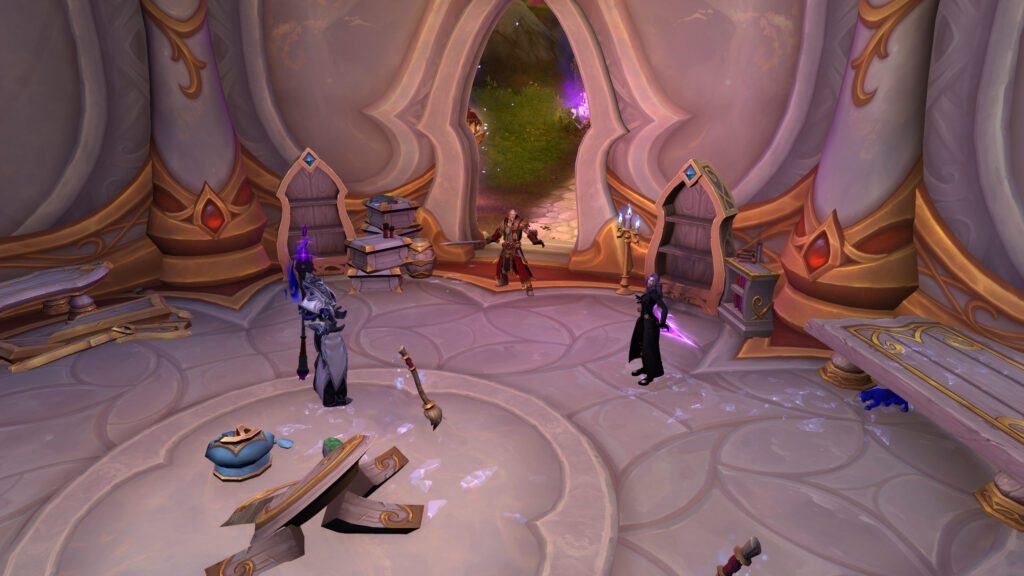
The Peril of Delayed Perception
Most players suffer from Sensory Overwhelm, filtering out the wealth of information their client provides, or tuning out critical sound effects. This results in Missed Telegraphs and avoidable damage, forcing healers to overwork and often leading to deaths. A master player, however, practices Augmented Sensory Input. They actively train themselves to associate specific boss cast animations, enemy character models, ground textures, and unique sound effects with incoming damage or mechanics. They turn up key sound effects, utilize visual addons (like WeakAuras) for clear alerts, and consciously look for the “wind-up” of a dangerous ability. The goal is to create a multi-layered detection system, ensuring that almost no threat goes unnoticed, allowing for proactive movement, defensive cooldown usage, or interrupt calls, well before the damage even registers.
The Threat Detection Toolkit: Audio & Visual Mastery
- Boss Cast Bar (Visual):
- Purpose: Primary indicator of an incoming ability. Use DBM/BigWigs for clear, large timers.
- Action: Use interrupts, prepare defensives, reposition, or pre-cast heals.
- Unique Spell Animations (Visual):
- Purpose: Many boss/mob abilities have distinct “wind-up” animations or visual effects before they hit (e.g., a specific glow, a weapon charge, a ground fissure expanding).
- Action: Learn these animations. React to the visual, not just the cast bar.
- Key Sound Effects (Audio):
- Purpose: Critical mechanics often have unique, loud sound cues (e.g., a “boom” for a ground AoE, a “whoosh” for a player-targeted spell, an add’s specific growl).
- Action: Turn up your sound effects, filter out ambient noise. Your ears are as important as your eyes.
- Ground Effects (Visual):
- Purpose: Indicate areas of impending damage or safety. Often colored clearly (red = bad, green = good).
- Action: Move out instantly. Use mouseover macros for quick target switching to new safe zones.
- Debuff Tracking WeakAuras (Visual):
- Purpose: Custom alerts for critical debuffs on yourself or allies (e.g., “You have X, spread!,” “Tank has Y, dispel!”).
- Action: React to the immediate, clear visual and audio alert.
- Voice Callouts (Audio):
- Purpose: Raid leader or designated players calling out incoming mechanics.
- Action: Listen intently. Filter out comms chatter during crucial phases.
The “Pattern Recognition Override” Strategy
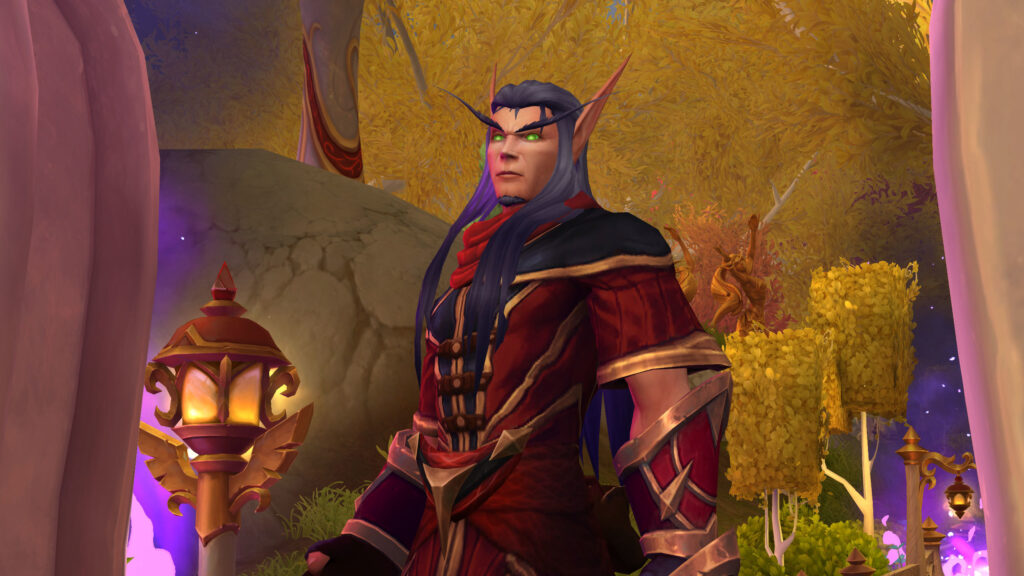
Elite players implement a Pattern Recognition Override Strategy. They train themselves to prioritize specific auditory and visual cues over their default visual focus (e.g., health bars, damage meters). When they hear a specific boss sound effect, or see a unique ground animation, their brain immediately triggers a conditioned response, overriding any other activity. This creates an almost instinctive reaction that prevents Cognitive Bottlenecking and allows for split-second decisions that save lives and prevent damage. This “Pavlovian response” to critical cues is a hallmark of truly proactive play.
Optimizing Audio for Threat Prioritization
A master of sensory input proactively Optimizes Audio for Threat Prioritization. This means not just turning up sound effects, but potentially using a sound mixer (either in-game or external) to adjust volume levels for different categories: reducing ambient noise, lowering music, and boosting specific alerts (e.g., DBM warning sounds, WeakAura custom sounds). This creates an auditory landscape where critical threat cues stand out clearly against the background, preventing Auditory Blurring and ensuring that no vital warning goes unheard. By making their ears a calibrated instrument, they gain a crucial edge in detecting and reacting to impending danger, often even before it fully appears on screen.
Conclusion: The Master of Anticipatory Perception
Your ability to survive and thrive in challenging encounters is not just about your raw stats; it is profoundly influenced by your capacity for Pre-emptive Threat Detection. By mastering the art of recognizing sound and visual cues, you transform yourself from a damage reactor into a strategic anticipator. You realize that every subtle signal is a warning, and every warning is an opportunity to act before consequences occur. Stop waiting for the impact; start noticing the wind-up. Cultivate an acute awareness of your surroundings, train your senses to detect the unseen, and ensure that no threat ever catches you truly by surprise. You are the architect of your own survival, and the master of an unparalleled early warning system.
Author Profile

- Hey there, fellow gamers! I’m Lillian Bates, the pixel-pushing wordsmith behind some of the most electrifying gaming stories. Armed with a controller in one hand and a pen in the other, I’ve dedicated my life to exploring virtual realms and unearthing hidden gems. From the darkest corners of the indie scene to the blockbuster battlefields, I’m your guide through the ever-evolving landscape of interactive entertainment. So grab your snacks, buckle up, and let’s embark on an epic quest together!
Latest entries
 DefaultSeptember 7, 2026Understanding Avoidance and Leech: The Most Underrated Stats for Progression Raiding Survival
 DefaultAugust 5, 2026Blizzard and Flamestrike: Mage Area of Effect Gold Farming Strategies in Classic World of Warcraft
- DefaultJune 26, 2026Azeroth’s Secret Encounters: How to Unlock and Defeat Hidden Bosses in Every Expansion
 DefaultMay 27, 2026The Road to 60: Why It Makes Sense to Buy Classic WoW Gold for Your Alt
Leave a Reply