
You’re on a journey to discover the origins and rise of the Horde, Azeroth’s fierce warriors. This tale starts on Draenor, where survival meant orcish clans had to forge alliances. Blood magic and shamanism were their lifeblood, until Fel corruption drove them to lust for power. Leaders like Thrall and Sylvanas Windrunner steered the Horde through turmoil and triumphs. From the Siege of Orgrimmar to the Battle for the Broken Shore, their battles reshaped Azeroth. Beyond conflicts, the Horde’s culture, spreading across art, music, and technology, shows their lasting legacy. Each step forward under new leadership promises a future rich with honor. Continue and you’ll uncover even more about their storied past.
Key Takeaways
- The Horde was initially formed from orcish clans on Draenor to survive and combat common enemies, driven by cultural ties and survival needs.
- Key figures such as Thrall and Grom Hellscream played pivotal roles in shaping the Horde’s path away from fel corruption towards honor.
- Major conflicts, including the Siege of Orgrimmar, have been instrumental in redefining the Horde’s leadership and moral compass.
- The Horde’s cultural impact is vast, inspiring global arts, music, literature, and technological advancements within the World of Warcraft universe.
- Over time, the Horde has expanded its territories across Azeroth, evolving through strategic alliances, technological innovation, and changing social dynamics under new leadership.
Origins of the Horde
The Horde, a formidable coalition of races in World of Warcraft, initially formed as a vital strategy against common foes. Delving into Draenor’s history, you’ll discover the roots of the Horde lie deep within the orcish clans’ culture and their tribal alliances. These alliances were essential for survival on the harsh landscape of Draenor, where every day was a struggle against the elements and rival clans.
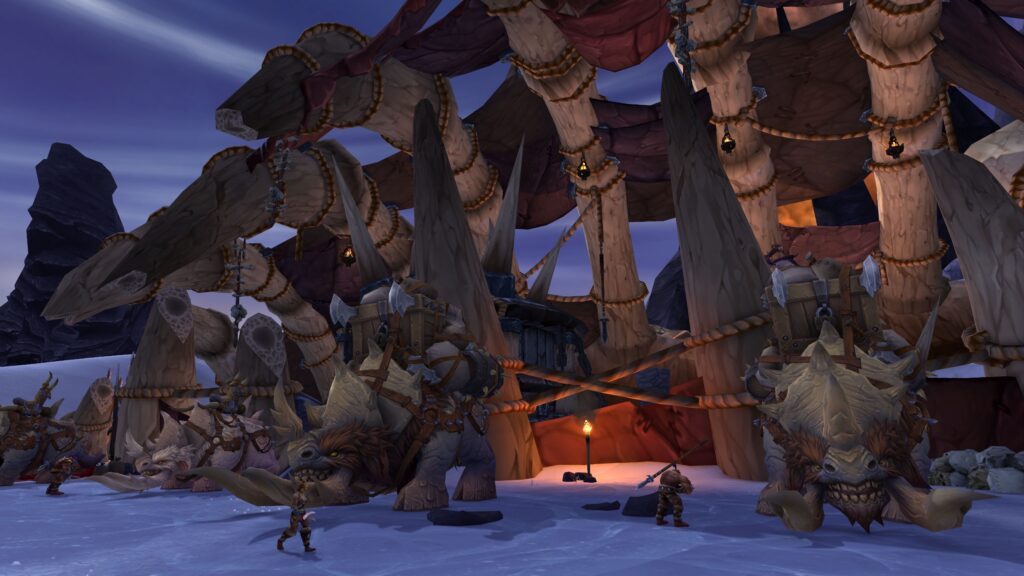
Blood magic and shamanistic practices were central to the orcish way of life. Shamans communicated with the spirits of the land, guiding their people through the challenges of their world. However, the introduction of fel corruption marked a dark turn in their history. The orcs, once noble and shamanistic, were seduced by the raw power of fel magic, sacrificing their shamanistic heritage for something far more sinister.
This fel corruption led to the formation of a united Horde, driven by a newfound lust for power and domination. With their invasion tactics refined by the strategic use of both blood magic and fel corruption, the orcish clans launched their first assault on Azeroth, setting the stage for the epic conflict that would follow.
Key Figures and Leaders
Throughout the rise of the Horde, several key figures and leaders emerged, steering its destiny with their ambitions and actions. Thrall, a pivotal Warchief, and Grom Hellscream, a fierce warrior, greatly influenced the Horde’s path. Their leadership marked a new era, shifting away from the dark legacy left by figures like Blackhand and Doomhammer, whose reigns were defined by conquest and war.
Sylvanas Windrunner and Vol’jin, as leaders, brought unique visions for the Horde. Sylvanas, with her cold determination, and Vol’jin, with his deep wisdom, each led the Horde through turbulent times. Meanwhile, Garrosh Hellscream and Cairne Bloodhoof represented the internal struggle within the Horde, between ambition and honor.
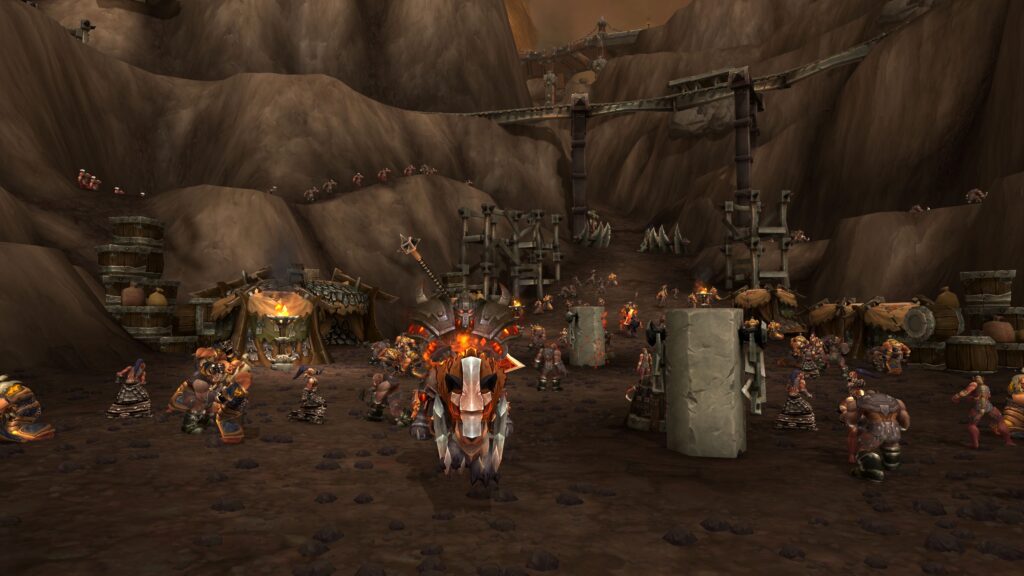
The legacy of the Horde is also marked by the influence of powerful entities like Ner’zhul and Kil’jaeden, whose manipulations set the stage for much of the Horde’s early history. Additionally, heroes like Varok Saurfang embodied the Horde’s honor and valor, serving as a moral compass.
Each Warchief and Chieftain, from the cunning Sylvanas to the honorable Cairne, played an important role in shaping the Horde’s destiny, maneuvering through power struggles and leading their people through the ever-changing landscape of Azeroth.
Major Conflicts and Battles
Major conflicts and battles have shaped the Horde’s history, pitting its warriors against formidable foes across Azeroth. The Siege of Orgrimmar stands out, marking the Rise of the Blood Elves as pivotal allies. This brutal confrontation not only tested the Horde’s resolve but also redefined its leadership dynamics.
Then came the Battle for the Broken Shore, a turning point that witnessed the Fall of the Alliance and pushed the Horde into the spotlight as defenders of their beleaguered world. It was a moment of unity and desperation, highlighting the faction’s tenacity.
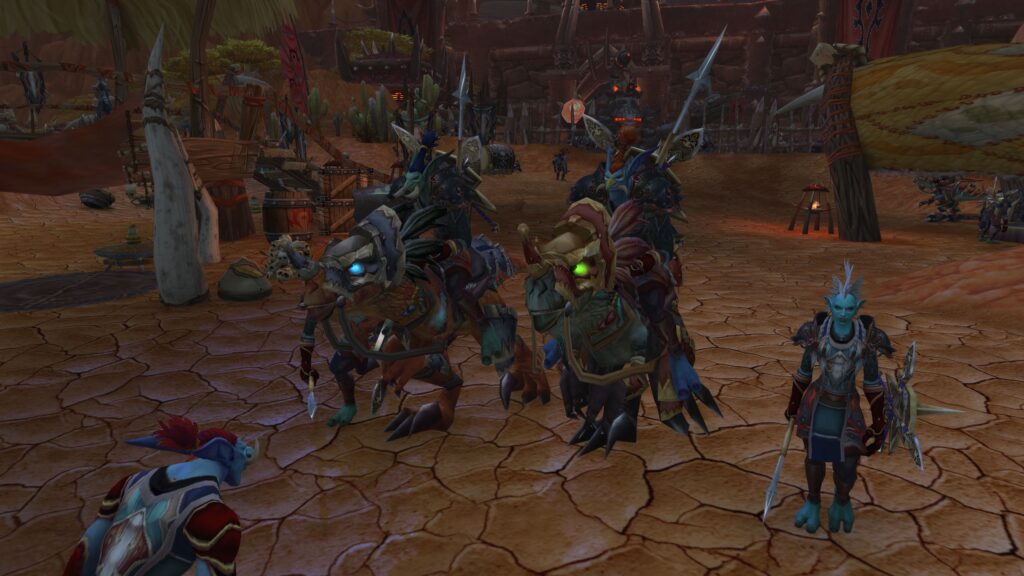
The Assault on Blackrock Mountain was a tale of Thrall’s Redemption, symbolizing the spirit of the Horde in overcoming internal strife and external threats. Similarly, the Invasion of Ashenvale exposed Sylvanas’ Betrayal, challenging the Horde’s moral compass and setting the stage for future internal conflicts.
In the Arathi Highlands, Grommash’s Sacrifice during the conflict underscored the themes of honor and loyalty that run deep within the Horde. The War in Nagrand was pivotal for Garrosh’s Downfall, illustrating the consequences of power unchecked and the faction’s capacity for self-correction.
Lastly, the Skirmish in Blade’s Edge Mountains reminisced Durotan’s Legacy, reminding the Horde of its roots and the enduring strength derived from its champions.
Cultural Impact and Legacy
How has the Horde’s storied past influenced Azeroth’s culture and its own legacy? You’ve seen it echo through the ages, manifesting in various forms that have become integral to the fabric of both the game’s world and its fan community. The Horde’s influence is widespread, touching everything from the arts to technology, shaping Azeroth and beyond.
- Artistic inspirations: Artists across the globe have drawn upon the Horde’s rich lore and aesthetic, creating everything from stunning digital art pieces to physical sculptures that capture the essence of this formidable faction.
- Musical influences: The Horde’s themes have inspired composers and musicians, leading to powerful scores that evoke the faction’s resilience and fierce spirit. These compositions have become synonymous with epic gaming moments.
- Literary connections: Authors and storytellers have woven tales that explore the depth of the Horde’s history, philosophy, and its characters’ intricate motivations. These stories expand the universe far beyond the game.
- Technological advancements: The ingenuity of the Horde has been a catalyst for in-game innovations, influencing everything from the design of player housing to advancements in armor and weaponry.
From fashion trends that mimic the distinctive armor styles to culinary traditions that celebrate the diverse races within the Horde, its impact is undeniable. Philosophical teachings derived from the Horde’s lore continue to inspire discussions on loyalty, honor, and survival.
Expansion and Evolution
As the Horde has grown, its territories and influence have expanded across Azeroth, reflecting a dynamic evolution in power and culture. You’ve witnessed this firsthand, as Horde advancements have not only shaped the battlefield but also the very fabric of its society. Strategic alliances, once thought impossible, have become a cornerstone of the Horde’s strength, allowing for unprecedented territorial expansion and the integration of diverse cultures and philosophies.
Technological innovations have played a pivotal role in this growth, empowering you and your allies with tools and weapons that were once the stuff of legend. These advancements have not only bolstered the Horde’s military tactics but have also facilitated a more sophisticated approach to diplomatic relations, balancing the art of war with the necessity of peace.
Social dynamics within the Horde have evolved as well, adapting to the needs of its ever-growing population and the challenges of a rapidly changing world. You’ve seen how new leadership and fresh perspectives have guided the Horde toward a future where honor, strength, and unity stand at the forefront of its identity. Through all these changes, the spirit of the Horde endures, fueled by the resilience and determination of its people.
Frequently Asked Questions
How Does the Horde’s Governance Structure and Political System Function Outside of Wartime?
Outside wartime, the Horde’s governance relies on tribal councils and clan diplomacy. There’s a focus on civil rights and law enforcement, with political alliances and Horde leadership guided by Warchief elections. It’s a nuanced system.
What Are the Common Religious Beliefs or Spiritual Practices Among the Various Races of the Horde?
You’ll find the Horde’s races embrace diverse beliefs, from shamanistic rituals and elemental communion to ancestral worship and nature reverence. Some follow the loa spirits or seek spirit guidance, while others may form darker pacts.
How Does the Horde Manage and Distribute Resources Among Its Diverse Member Races and Territories?
Like a well-oiled machine, the Horde’s resource allocation thrives on trade networks and agricultural development. Their economic policies and technological advancements, supported by environmental stewardship and interracial cooperation, guarantee everyone’s needs are met efficiently and fairly.
In What Ways Has the Horde’s Relationship With Neutral Factions and Organizations Shaped Its Development and Strategies?
You’ve seen how the Horde’s dealings with neutral factions, through Alliance conflicts, diplomatic missions, and trade agreements in neutral territories, have shaped its strategies. They’ve also engaged in espionage, signed peace treaties, and promoted cultural exchanges.
How Do the Horde’s Educational and Training Systems Work for Its Citizens, Especially in Peacetime?
In the Horde’s heart, Orcish mentorship and Shamanistic teachings blossom like desert flowers in spring. Warrior rites, Peacetime crafts, Hunter gatherings, Rogue training, and Mage apprenticeships forge strong citizens, ready for both peace and war.
Conclusion
As you’ve journeyed through the tumultuous saga of the Horde, you’ve walked in the shadows of giants, danced on the razor’s edge of conflict, and witnessed the birth of legends. From the smoldering ruins of Draenor to the sprawling majesty of Azeroth, the Horde’s legacy is a tapestry woven with the threads of valor, sacrifice, and unbreakable will. Stand tall, for you now carry the stories of the Horde’s indomitable spirit, a beacon for those who dare to dream of conquest and unity.
Join the exploration and expand your understanding on our enriching blog.
Author Profile

- Hey there, fellow gamers! I’m Lillian Bates, the pixel-pushing wordsmith behind some of the most electrifying gaming stories. Armed with a controller in one hand and a pen in the other, I’ve dedicated my life to exploring virtual realms and unearthing hidden gems. From the darkest corners of the indie scene to the blockbuster battlefields, I’m your guide through the ever-evolving landscape of interactive entertainment. So grab your snacks, buckle up, and let’s embark on an epic quest together!
Latest entries
 DefaultSeptember 7, 2026Understanding Avoidance and Leech: The Most Underrated Stats for Progression Raiding Survival
 DefaultAugust 5, 2026Blizzard and Flamestrike: Mage Area of Effect Gold Farming Strategies in Classic World of Warcraft
- DefaultJune 26, 2026Azeroth’s Secret Encounters: How to Unlock and Defeat Hidden Bosses in Every Expansion
 DefaultMay 27, 2026The Road to 60: Why It Makes Sense to Buy Classic WoW Gold for Your Alt
Leave a Reply