
In the era of modern cross-realm technology, World of Warcraft feels like a global ocean. But there was a time, during the game’s first decade, when it felt like a series of small, interconnected villages. In those days, your realm reputation was your primary piece of gear. This guide looks at the “lost art” of maintaining a realm reputation, investigating why the loss of this social currency fundamentally changed the texture of the WoW experience.
The Social Stakes of Your Name
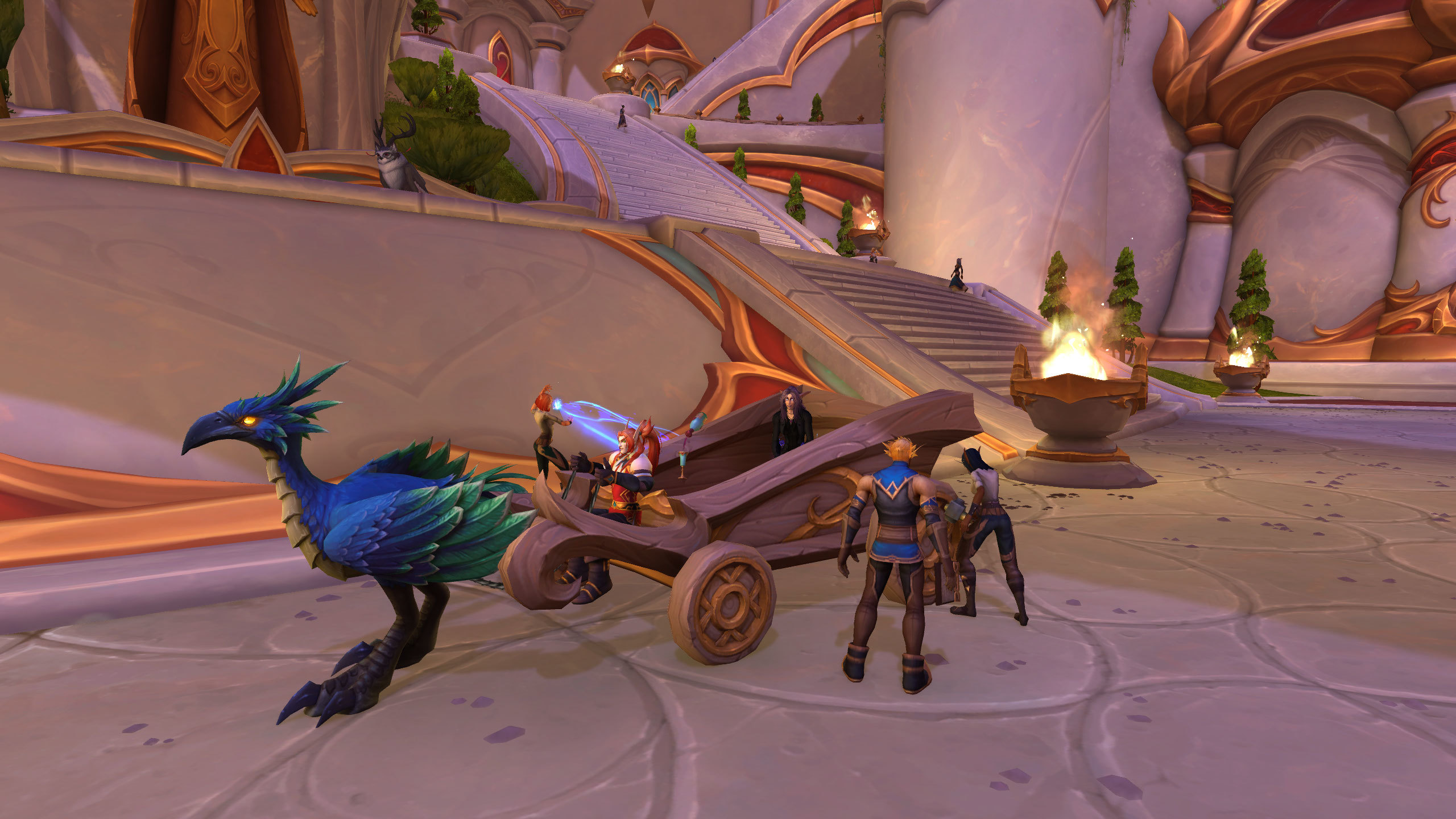
In a small-realm environment, your name was the most important thing you possessed. If you were a top-tier tank, everyone on the server knew your name. If you were a ninja-looter, everyone also knew your name—and you were essentially finished as a participant in high-end content. This reality imposed a “social tax” on every interaction. You couldn’t afford to be rude in a random group because the group was a representative sample of your own neighborhood. This created a level of social accountability that acted as a stabilizing force for the entire community. It forced the “difficult” personalities to either adapt and grow or face total social isolation.
The “realm memory” was also an incredible narrative tool. You didn’t just fight a raid boss; you fought them alongside the same ten people you’d known for years. The history of the realm was written by the players through their interactions. When a new guild rose to power, the whole server felt the shift in the balance of trade and social dominance. This gave the server a feeling of being a “character” in the narrative, a living entity that grew, faltered, and evolved based on the collective actions of its inhabitants. It turned the server into a shared, dynamic story rather than just a place to queue for dungeons.
The Dynamics of Realm Stakes
| Reputation Metric | What it Earned You |
|---|---|
| Trustworthiness | Consistent invites to top-tier groups. |
| Conflict Management | Respect from both Factions in PvP. |
| Guild Standing | Access to the elite social circles. |
| Public Record | A legacy that outlasted the current patch. |
The Shift to Anonymity
The transition to cross-realm groups was a victory for efficiency, but a loss for social depth. By decoupling the player from their specific server reputation, the developers made it impossible for players to be permanently “famous” or “infamous.” This removed the social friction that once kept behavior in check. While it made the game much faster and more accessible for the modern player, it also stripped away a layer of human consequence. We gained convenience, but we traded away the feeling that our character’s name actually mattered in the eyes of the community.
Remembering the Small Scale
Why do players still miss it? Because being “a known quantity” is satisfying. It feels good to walk through a city and have people recognize who you are and what you’ve achieved. It turns a digital avatar into a person within a culture. While we aren’t going back to the limitations of the past, remembering the value of realm reputation serves as a reminder that the best gaming experiences are built on human stakes—where who you are and how you treat your neighbor is just as important as the numbers on your screen.
Author Profile

- Hey there, fellow gamers! I’m Lillian Bates, the pixel-pushing wordsmith behind some of the most electrifying gaming stories. Armed with a controller in one hand and a pen in the other, I’ve dedicated my life to exploring virtual realms and unearthing hidden gems. From the darkest corners of the indie scene to the blockbuster battlefields, I’m your guide through the ever-evolving landscape of interactive entertainment. So grab your snacks, buckle up, and let’s embark on an epic quest together!
Latest entries
 DefaultSeptember 7, 2026Understanding Avoidance and Leech: The Most Underrated Stats for Progression Raiding Survival
 DefaultAugust 5, 2026Blizzard and Flamestrike: Mage Area of Effect Gold Farming Strategies in Classic World of Warcraft
- DefaultJune 26, 2026Azeroth’s Secret Encounters: How to Unlock and Defeat Hidden Bosses in Every Expansion
 DefaultMay 27, 2026The Road to 60: Why It Makes Sense to Buy Classic WoW Gold for Your Alt
Leave a Reply