
Introduction. For nearly twenty years, the rivalry between the Alliance and Horde defined World of Warcraft’s political and cultural identity. Wars were fought, cities burned, and countless heroes rose in service to their banners. Yet in the aftermath of The War Within, the balance of power is changing. With new threats emerging beneath Azeroth’s surface and old alliances tested, both factions face a world where unity may matter more than rivalry. But beneath the surface peace, tensions still simmer—raising the question of what faction identity truly means in a post-war era.
This article examines how The War Within reshapes faction politics, explores the new dynamics of cooperation and independence, and considers what the future of faction identity might hold for Azeroth’s heroes.
The End of Endless War
After the events of Battle for Azeroth and the uneasy reconciliation that followed, both factions entered The War Within with cautious optimism. The devastating conflicts of the past left scars not easily healed, yet necessity forged cooperation. The cosmic and subterranean threats now facing Azeroth demanded unity—alliances between races once divided by blood and ideology.
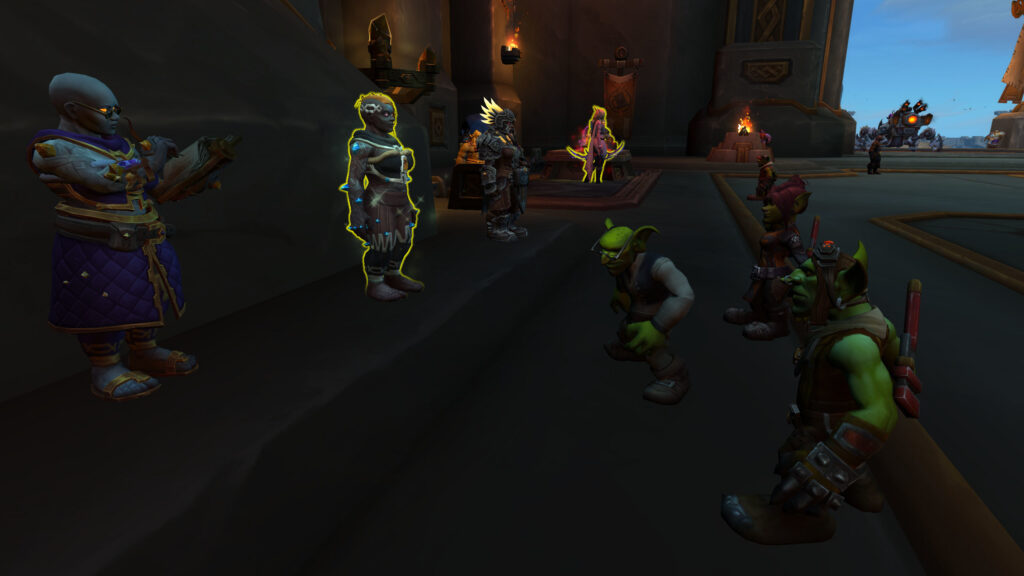
This uneasy peace has fundamentally changed the tone of faction storytelling. Instead of black-and-white heroism, players now experience shades of diplomacy and pragmatism. Blizzard’s narrative has evolved from factional war toward moral complexity—showing that survival sometimes demands compromise more than conquest.
New Coalitions and Cultural Evolution
With the rise of Warbands and cross-faction gameplay, the boundaries separating Horde and Alliance have blurred more than ever. Heroes now fight side by side without losing their cultural roots. This shift represents a redefinition of faction identity—from rigid nationalism to personal allegiance. It’s no longer about who you fight for, but what you fight for.
In-game, this cultural evolution is reflected through shared outposts, mixed-race Warbands, and narrative missions that highlight cooperation. Yet beneath this unity lies tension—older factions like the Night Elves and Forsaken still grapple with resentment and identity. Blizzard uses this friction to keep the story dynamic, ensuring peace never feels static or unearned.
The Rebalancing of Leadership and Ideology
Faction leadership has undergone dramatic transformation. With Anduin Wrynn seeking introspection and Thrall embracing diplomacy over dominance, the tone of faction leadership has matured. The new generation—figures like Talanji, Baine, and Moira Thaurissan—represents ideological diversity rather than militaristic unity.
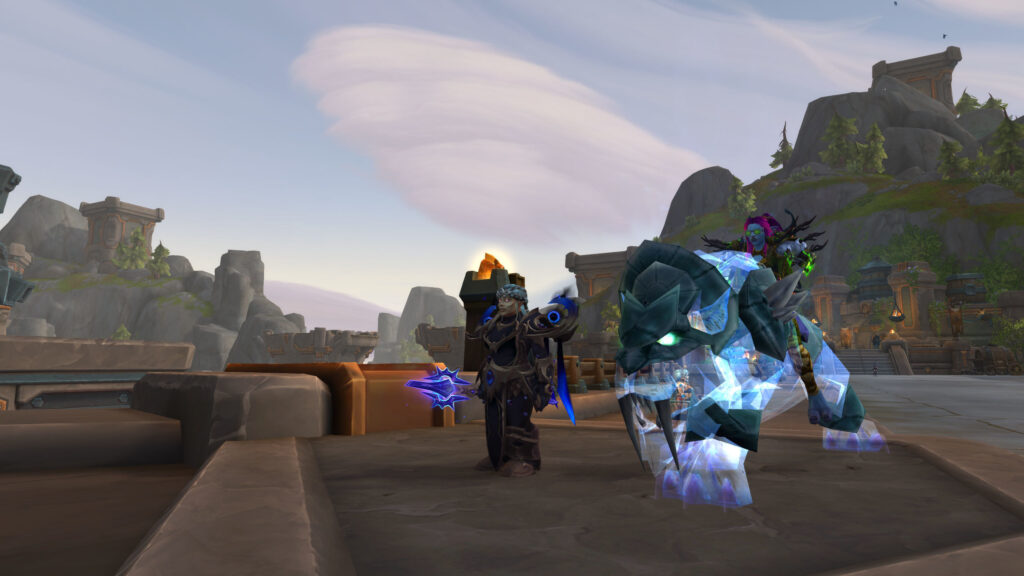
This evolution introduces political nuance unseen in earlier expansions. The Alliance and Horde are no longer monoliths—they are coalitions of cultures negotiating coexistence. This realism gives the narrative longevity, as internal politics replace open war as the new arena for power struggles.
| Faction | Key Leader | New Ideological Direction | Impact on Narrative |
|---|---|---|---|
| Alliance | Anduin Wrynn | Pacifism and introspection | Humanizes leadership through vulnerability |
| Horde | Thrall | Cooperation and spiritual renewal | Encourages unity without assimilation |
| Zandalari Empire | Queen Talanji | Independence and cultural preservation | Reasserts racial pride and identity |
| Dark Iron Dwarves | Moira Thaurissan | Integration through pragmatism | Bridges old grudges through reform |
The Player’s Role in a Post-War World
Blizzard’s new design philosophy reflects this narrative shift. Cross-faction play, shared storylines, and the Warband system encourage players to view Azeroth as a unified, living world rather than two walled-off kingdoms. Yet, the heart of faction identity still beats in individual choice. Players define what being Alliance or Horde means to them through their characters, interactions, and loyalties.
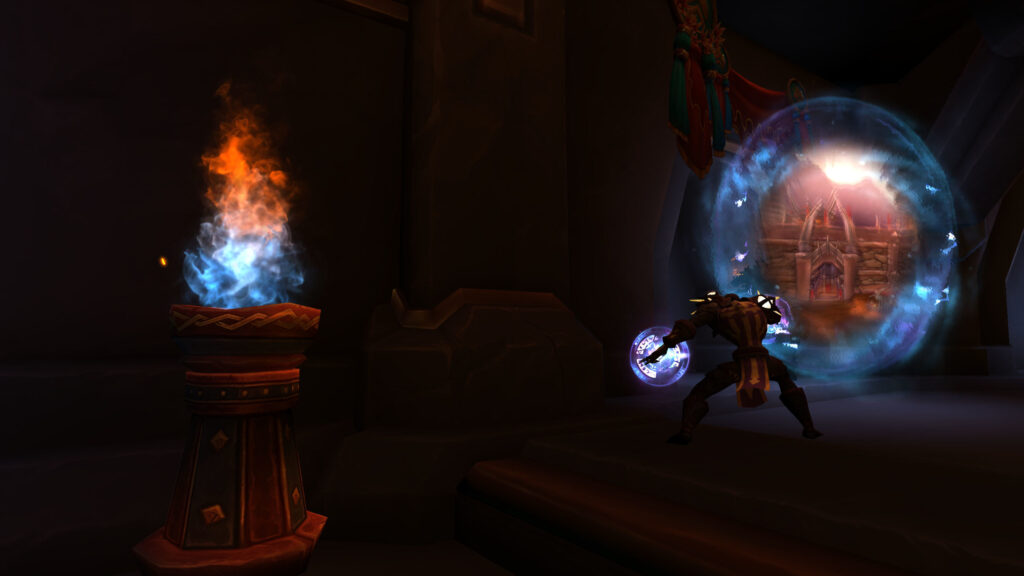
This freedom mirrors the political complexity of The War Within’s world: peace is not uniformity, and cooperation doesn’t erase difference. By placing players at the center of these moral gray areas, Blizzard ensures the faction system remains relevant even as its traditional boundaries fade.
Conclusion
The War Within marks a turning point for faction storytelling. What was once a tale of endless conflict is now one of transformation, reflection, and redefinition. The Horde and Alliance no longer exist as simple opposites—they are evolving societies learning to coexist under pressure.
Through new systems, leaders, and philosophies, Blizzard has turned rivalry into reflection, giving players a world that feels more politically and emotionally complex than ever before.
Author Profile
- Hey there, fellow gamers! I’m Lillian Bates, the pixel-pushing wordsmith behind some of the most electrifying gaming stories. Armed with a controller in one hand and a pen in the other, I’ve dedicated my life to exploring virtual realms and unearthing hidden gems. From the darkest corners of the indie scene to the blockbuster battlefields, I’m your guide through the ever-evolving landscape of interactive entertainment. So grab your snacks, buckle up, and let’s embark on an epic quest together!
Latest entries
 DefaultSeptember 7, 2026Understanding Avoidance and Leech: The Most Underrated Stats for Progression Raiding Survival
 DefaultAugust 5, 2026Blizzard and Flamestrike: Mage Area of Effect Gold Farming Strategies in Classic World of Warcraft
- DefaultJune 26, 2026Azeroth’s Secret Encounters: How to Unlock and Defeat Hidden Bosses in Every Expansion
 DefaultMay 27, 2026The Road to 60: Why It Makes Sense to Buy Classic WoW Gold for Your Alt
Leave a Reply