
Introduction. After more than twenty years of storytelling, World of Warcraft continues to evolve, weaving new tales while maintaining ties to its roots. This longevity isn’t accidental—it’s the result of deliberate effort from Blizzard’s narrative team, a group of writers, historians, and designers dedicated to keeping Azeroth’s story coherent, emotional, and relevant. From epic cosmic conflicts to quiet character moments, their work ensures that every expansion feels both fresh and connected to the game’s past.
This article takes a look behind the curtain at how Blizzard’s narrative team keeps WoW’s story alive, examining their creative philosophy, continuity challenges, and the delicate balance between innovation and tradition.
Building a Living World Through Collaboration
WoW’s storytelling is the result of collaboration between multiple teams—writers, quest designers, artists, and even gameplay developers. The narrative group doesn’t just write dialogue; they help shape the emotional tone of each expansion. From concept to final patch, the story team works alongside world builders to ensure that lore feels grounded in gameplay. Every quest hub, voice line, and cinematic serves a larger narrative purpose.
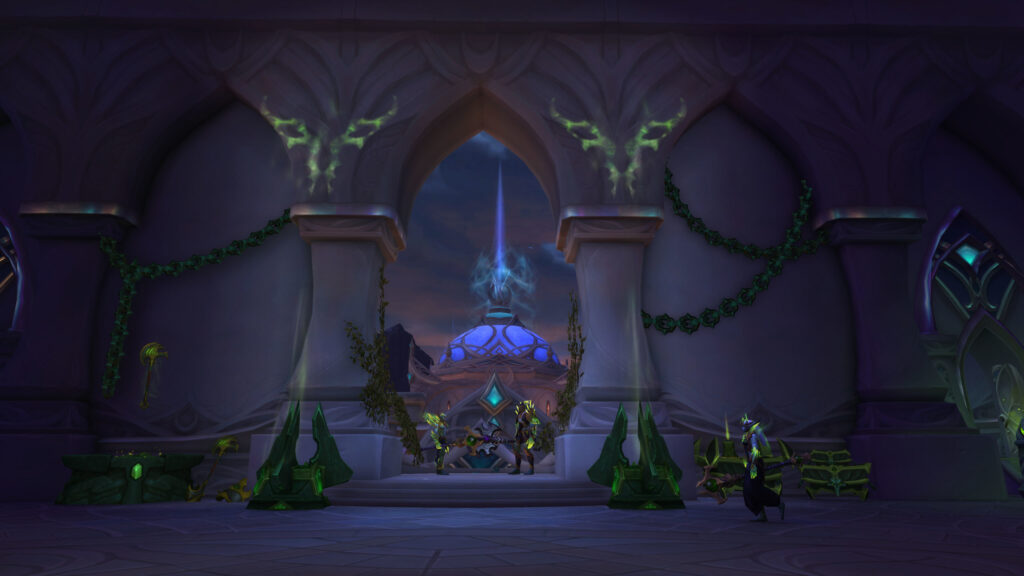
This integrated approach ensures that Azeroth’s story never feels disconnected from its world, making even small side quests part of a cohesive whole.
Balancing Continuity and Accessibility
Maintaining narrative consistency across two decades is no easy task. Blizzard’s writers face the challenge of honoring established lore while ensuring that new players aren’t lost in complexity. To achieve this, the team uses layered storytelling—creating self-contained narratives that tie into the overarching mythos. Expansions like Legion or Dragonflight succeed because they introduce fresh storylines while referencing the events long-time players remember.
It’s a tightrope walk between history and accessibility, and Blizzard’s evolving narrative structure allows both newcomers and veterans to engage meaningfully without alienation.
Character Development as the Emotional Anchor
While the world’s scale has grown to cosmic proportions, WoW’s story always returns to its characters. Figures like Thrall, Jaina, and Anduin embody the emotional core that connects expansions across years. Blizzard’s narrative team invests heavily in character arcs that reflect universal human struggles—loss, redemption, leadership, and purpose. These recurring themes give WoW its emotional continuity even when the setting shifts dramatically.
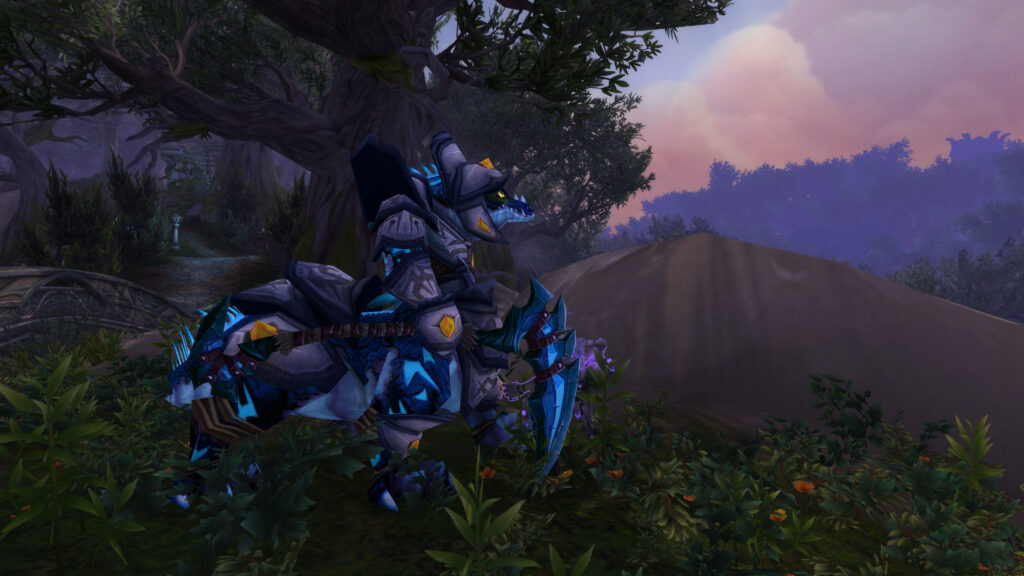
The writers often revisit old heroes, allowing their evolution to mirror the player’s own journey through time, grounding fantasy in relatability.
Adapting Storytelling Tools Over Time
Storytelling in WoW has evolved alongside technology. Early expansions relied on text-heavy quests and environmental storytelling. Today, voice acting, cinematic cutscenes, and dynamic phasing create immersive narratives that rival single-player RPGs. The narrative team collaborates closely with cinematic directors and sound designers to blend emotion with presentation. The result is a richer, more personal experience—players don’t just read about the story; they live it.
This evolution reflects Blizzard’s ongoing commitment to using every available tool to make Azeroth feel alive, emotional, and relevant in modern gaming.
Handling Fan Expectations and Feedback
Few game communities are as passionate—or as vocal—as WoW’s. Blizzard’s narrative team monitors player reactions carefully, adjusting storylines and character arcs in response to feedback. While not every change is immediate, fan sentiment often influences long-term development. When players resonate with certain characters or themes, the team finds ways to expand those narratives naturally in future patches or expansions.
This adaptive storytelling style transforms WoW into a dialogue between developers and players, ensuring that its story continues to reflect the community that sustains it.
Preserving the Soul of Azeroth
Despite countless wars, gods, and cosmic shifts, WoW’s narrative remains grounded in one principle: the soul of Azeroth must endure. Blizzard’s team works tirelessly to ensure that new stories still feel like they belong to the same world introduced in 2004. Themes of unity, resilience, and discovery tie every expansion together, keeping the game’s emotional essence intact even as it ventures into uncharted realms.
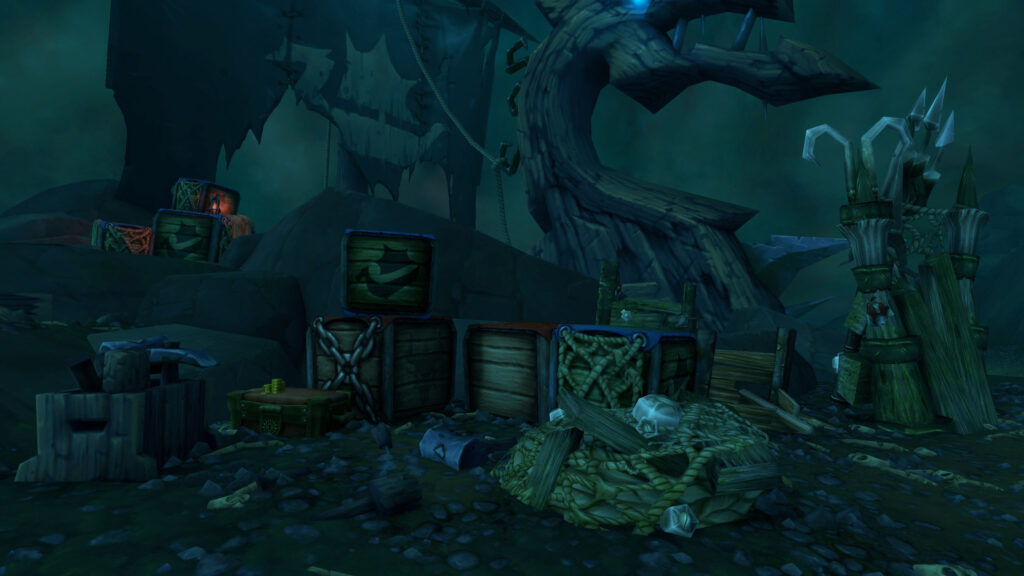
This consistency is what keeps players emotionally connected across generations—the feeling that no matter how much changes, Azeroth remains home.
Conclusion
After two decades, Blizzard’s narrative team continues to achieve what few studios can: maintaining an evolving, coherent, and emotionally resonant story in a living MMO.
Through collaboration, adaptability, and respect for its legacy, they’ve turned Azeroth into one of gaming’s most enduring worlds. As long as WoW’s storytellers remain dedicated to crafting meaningful experiences, the saga of Azeroth will never truly end—it will simply continue to grow, one chapter at a time.
Author Profile
- Hey there, fellow gamers! I’m Lillian Bates, the pixel-pushing wordsmith behind some of the most electrifying gaming stories. Armed with a controller in one hand and a pen in the other, I’ve dedicated my life to exploring virtual realms and unearthing hidden gems. From the darkest corners of the indie scene to the blockbuster battlefields, I’m your guide through the ever-evolving landscape of interactive entertainment. So grab your snacks, buckle up, and let’s embark on an epic quest together!
Latest entries
 DefaultSeptember 7, 2026Understanding Avoidance and Leech: The Most Underrated Stats for Progression Raiding Survival
 DefaultAugust 5, 2026Blizzard and Flamestrike: Mage Area of Effect Gold Farming Strategies in Classic World of Warcraft
- DefaultJune 26, 2026Azeroth’s Secret Encounters: How to Unlock and Defeat Hidden Bosses in Every Expansion
 DefaultMay 27, 2026The Road to 60: Why It Makes Sense to Buy Classic WoW Gold for Your Alt
Leave a Reply